Winter & off-season · The honest account
Cabo de Palos in Winter: The Season the Village Keeps for Itself
Every summer, thousands of people fall for this village. Almost none of them ever see it in January — which is a pity, and also, if we are honest, part of the pleasure for those who do. Winter here is not the absence of the good season. It is a different good season, with its own light, its own rituals and its own economics. Here is what it is actually like.
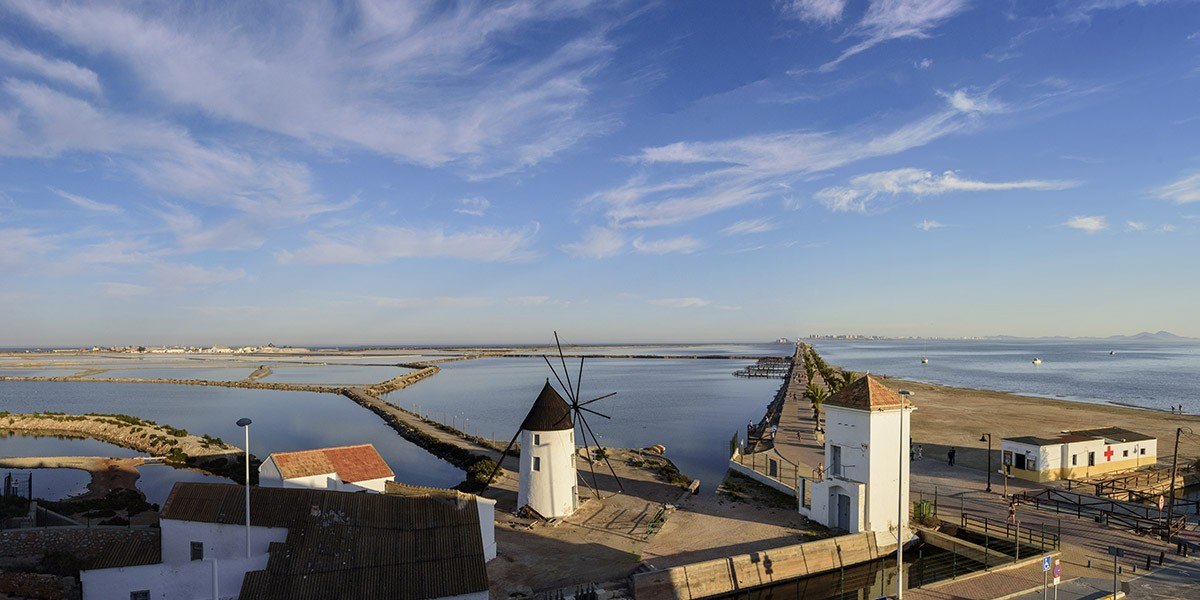
The light, first of all
Ask anyone who winters on this coast what keeps them coming back and they will eventually stop listing practical reasons and mention the light. The Costa Cálida in January runs on a low, gold, sideways sun that makes the whitewash glow and the sea go pewter and turquoise by turns. Days are short by Spanish summer standards and enormous by northern ones — you will be eating lunch outdoors while your neighbours at home are turning their headlights on at four. It is the kind of light that gets people through February, and it is the region's real winter export.
The numbers behind the name
Costa Cálida is marketing, but it is accurate marketing. Winter daytime highs sit at 16–18°C, rain is an event rather than a pattern, and the sea keeps the extremes filed down: no frosts, no scorchers, a long procession of bright, mild days. At midday, a sheltered terrace out of the breeze is genuinely warm — locals calibrate their days around it, coffee in the sun at eleven, the long lunch at two. Evenings drop to single digits and the village lights come on early; this is jumper country after dark, and all the better for it.
A week in the winter village
The rhythm is simple and very easy to adopt. Sunday is the market, smaller than its summer self but better — the stallholders have time to talk, and the Campo de Cartagena's winter vegetables are the best of the year. Most mornings earn a walk: up to the lighthouse, where you may have the whole headland to yourself and the sunset later to share with three people and a dog; or along the coves, where the year-round swimmers of Cala Fría are doing their lengths regardless, a standing rebuke to your wetsuit. Lunch is where winter wins outright: caldero, the fishermen's rice this village is famous for, was invented as cold-weather food, and eating it at a harbour table in January — steam rising, boats unloading — is the dish finally making complete sense. Read the full caldero story if you want the details before you order.
The wild neighbour, at its best
Calblanque Regional Park, fifteen minutes away, is the strongest single argument for the off-season. In summer it is beautiful and hot and access is rationed; in winter the dirt track is open, the trails are empty and the walking is as good as the Spanish Mediterranean offers — fossil dunes, cliff paths, beaches with your footprints and nobody else's. Closer still, the old salt flats between Cabo de Palos and La Manga collect flamingos and wintering waders; bring binoculars and twenty spare minutes at dusk. Cyclists get their season too: the lanes around the Mar Menor are flat, quiet and mild, which is why so many of them fill up with lycra from November onward.
Underwater, business as usual
The marine reserve does not close for winter. The water sits at 14–15°C — a 7 mm suit's job — and in exchange the boats are empty, the sites are yours, and the horizontal visibility on a calm January day can be startling. Local dive centres run all year; if you have ever wanted a famous site more or less to yourself, this is the administratively simple way to get it.
Days out, without the queues
Cartagena, twenty-five minutes away, is a better city in winter: the Roman theatre and the museums without coach parties, the naval old town at strolling temperature, lunch without a wait. Murcia city and its baroque centre make a second easy day. And late January into February brings the region's quiet spectacle — the almond blossom turning the inland valleys pink and white, a short drive and a world away from the beach.
The honest small print
Winter is quiet; that is the product, and it has edges. A few restaurants shorten their week or take their holidays in November, so the choice on a Tuesday night is narrower than in July — never zero, but narrower. Beach bars are shut. Evenings genuinely cool down, so the packing list is layers, not just linen. And you should want quiet: people who need a resort's evening programme will find January long. People who need the opposite of that tend to extend their stay.
What it costs, and why the sums work
Here is the part that surprises northern Europeans doing this for the first time: the same coast that charges peak rates in August lets whole villas go for a fraction of that from October to Easter — often half or less, with multi-week winter stays cheaper again per night. Combine that with flights at their yearly low and a climate built for being outdoors, and the winter month on the Costa Cálida frequently costs less than staying home with the heating on. That is not a slogan; it is arithmetic that a growing number of remote workers and early retirees have already done.
Your base on the beach · Playa de Levante
Stay at 95Lighthouse
A front-line villa for up to 10 guests with a private infinity pool, jacuzzi and sea views — from the terrace to the promenade, from the promenade to the sand. Open year-round; best value October to Easter.
Questions travellers ask
Is Cabo de Palos warm enough to visit in winter?
For beach swimming, no. For everything else, emphatically yes: 16–18°C days, frequent sunshine, warm sheltered terraces at midday and perfect walking weather. Evenings are cool — pack layers.
Is anything open in Cabo de Palos in winter?
Yes. The village lives year-round: shops, several restaurants, the Sunday market and the dive centres all operate through winter. Some restaurants shorten midweek hours or take November holidays, and beach bars close.
What is there to do in winter?
Hiking Calblanque, the lighthouse and cove walks, year-round diving in the marine reserve, cycling the Mar Menor flats, flamingo-watching on the salt flats, caldero lunches, and day trips to Cartagena and the almond blossom inland.
How much cheaper is winter accommodation?
Substantially — holiday rentals typically drop to half the August peak or less between October and Easter, and long winter stays often work out cheaper still per night.
Can you swim in the sea in winter?
The sea is 14–15°C: hardy locals swim at Cala Fría year-round, wetsuit swimmers are comfortable, and divers operate all winter. Most visitors keep to walking beside it.