The complete guide · By locals
Things to Do in Cabo de Palos: The Complete Local Guide
A lighthouse on a rocky headland, Europe's most celebrated marine reserve a short boat ride out, wild empty beaches next door and a harbour that still lands fish every morning. Cabo de Palos is small — that is its magic — but it holds far more than its size suggests. Here is everything worth doing, season by season.
1. Dive the Islas Hormigas marine reserve — Europe's best dive site
The Cabo de Palos–Islas Hormigas marine reserve, protected since 1995, is regularly voted the best dive site in Europe, and the reasons hold up underwater: dramatic seamounts rising from deep water, meadows of protected Posidonia, dense schools of barracuda circling like weather systems, big groupers utterly unbothered by divers, eagle rays, and — for advanced divers — the wrecks of the Bajo de Fuera, including the Sirio, the steamer whose 1906 sinking is part of local memory. Several dive centres in the village run daily boats into the reserve; the outer pinnacles require certification, but sheltered bays inside the buffer zone host try-dives and courses for complete beginners. Visibility peaks at 20–30 metres in early autumn. Diving here is year-round; the water asks for a thicker wetsuit in winter, nothing more.
2. Snorkel straight off the coves
You do not need a tank to meet the reserve's marine life. The rocky edges of the headland drop into clear water full of bream, damselfish, octopus if you look slowly, and seagrass meadows in the sandy patches. Cala Túnez, tucked under the lighthouse, is the classic first snorkel — sheltered, shallow, endlessly interesting. The rocks at the ends of Playa de Levante work beautifully for children making their first attempts, with sand to stand on and fish within metres of the shore. Masks and fins are sold in the village shops; July to September offers the calmest, warmest water.
3. Walk to the lighthouse — especially at sunset
The 1865 Faro de Cabo de Palos, declared an asset of cultural interest, stands on the headland like the village's exclamation mark. The walk up from the harbour takes fifteen unhurried minutes and rewards you twice: at the top, with a 360° sweep from the Mar Menor's lagoon to the open Mediterranean; and on the way, with the coves glittering below the path. Sunset is the local ritual — the light falls behind the Calblanque hills and the lighthouse beam begins its turn. Bring nothing but time.
4. The coves, ranked briefly
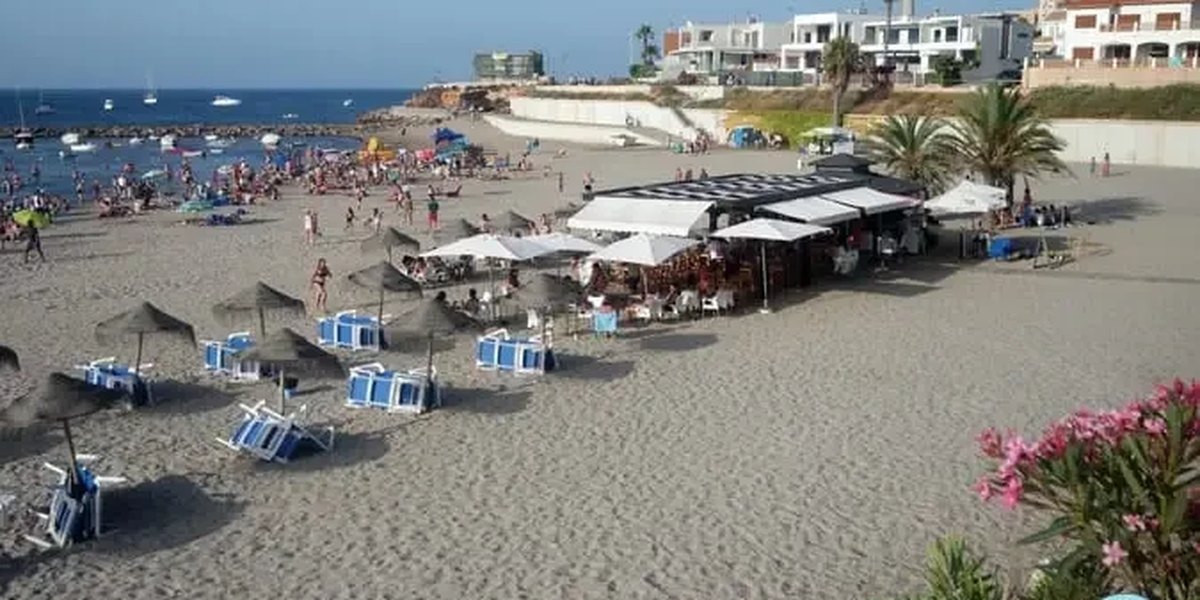
The headland is stitched with small calas, each with its own character. Cala Túnez: best all-rounder, snorkelling heaven. Cala Fría: closest to the lighthouse, deep clear water, popular with local swimmers. Cala Roja and Cala Medina: quieter, rockier, more private. Cala Flores: a small sandy pocket loved by families in the know. And Playa de Levante, the village's sandy beach along the promenade — gentle entry, morning calm, and the easy option when you want sand, not rocks. For wilder sand, Calblanque (below) is fifteen minutes away. Our full ranking of the seven most beautiful coves goes deeper.
5. Lose the crowds in Calblanque Regional Park
Ten minutes' drive west lies one of the last untouched stretches of Spanish Mediterranean coast: Calblanque — fossil dunes, empty gold-sand beaches, salt flats where flamingos stop over, and hills laced with walking trails and mountain-bike tracks. There are no bars, no sunbeds, no buildings; that is the point. In July and August car access is restricted and a shuttle runs from the main road; the rest of the year you drive the dirt track in and often have a beach of several hundred metres nearly to yourself. Winter and spring are the hiking seasons — the coastal path between Calblanque's beaches is among the finest walks in the region.
6. Eat caldero where it was invented
Every coastline in Spain has its rice; this one has caldero. Fishermen cooked it on the beach in an iron pot — rice simmered in a peppery broth of rockfish and ñoras, the fish served after, alioli on the side. The restaurants along the harbour of Cabo de Palos are its acknowledged home, and a long caldero lunch watching the boats is as essential to this village as the lighthouse itself. Beyond caldero: the morning catch turns up grilled on menus everywhere, and the village bakeries and heladerías handle the other end of the day. Our caldero guide tells the full story.
7. Sunday morning: the market
On Sunday mornings the weekly mercadillo takes over the streets above the harbour — fruit and vegetables from the Campo de Cartagena, olives, spices, clothes, and the pleasant chaos of a proper Spanish street market. Go early, buy the local tomatoes, take a coffee at the harbour afterwards and watch the village do the same.
8. On, in and under the water
Beyond diving and snorkelling: kayaks and paddleboards launch easily from Levante's sand for a paddle along the coves that cars can't reach; summer boat excursions circle the headland and the reserve's edge; and the marina keeps a small fleet of sailing and fishing charters. The Mar Menor, ten minutes away, is Europe's largest saltwater lagoon — flat, warm and windy, which is why its sailing and windsurfing schools have trained generations of Spanish children.
9. Day trips: Cartagena and beyond
Twenty-five minutes away, Cartagena is one of Spain's most underrated cities: a Roman theatre discovered under the old town in 1988, Carthaginian and naval history at every corner, a modernist old quarter and a polished port promenade. It absorbs a full day happily. Closer, La Manga's improbable sand strip between two seas is worth seeing at least once; inland, the mining landscapes of La Unión tell the region's tougher story, celebrated every summer in its famous flamenco festival, the Cante de las Minas.
10. With children
Cabo de Palos may be the easiest family destination on this coast, precisely because it is small: the beach, the harbour, the ice-cream stops and the playground are all within a flat, walkable few hundred metres, and a car is unnecessary for days at a time. Children graduate quickly here — from sandcastles on Levante, to first mask-and-snorkel at the beach rocks, to a try-dive in the reserve as teenagers. The village's evening ritual, the paseo along the seafront with an ice cream, requires no planning at all.
11. In winter
Half of the list above works better in winter than in summer: the lighthouse walk in crystalline January light, Calblanque's trails without another soul, caldero eaten as the warming dish it was invented to be, Cartagena without queues. Add mild cycling on the flat lanes around the Mar Menor, remarkable birdwatching on the salt flats, and terraces that are genuinely warm at midday, and the off-season case makes itself — at a fraction of summer prices. Our winter guide covers it properly.
Stay in the middle of all of it · Playa de Levante
95Lighthouse: the villa on the beach
Everything in this guide starts on foot from the villa's terrace: the beach at 0 minutes, the coves and dive boats a short walk, the lighthouse a sunset stroll. Front-line for up to 10 guests, private infinity pool, open year-round.
Questions travellers ask
What is Cabo de Palos famous for?
The Islas Hormigas marine reserve — widely rated Europe's best dive site — and its 1865 lighthouse. Plus caldero, quiet coves and Calblanque next door.
Is it worth visiting if I don't dive?
Entirely. Snorkelling, the lighthouse walk, the coves, Calblanque, the market, the food and Cartagena fill a week without a tank.
Can beginners dive here?
Yes — local centres run try-dives and courses in sheltered bays, while the famous outer sites suit certified divers.
What is caldero?
The local fishermen's rice: cooked in rockfish and ñora broth, fish served apart, alioli alongside. The harbour restaurants are its home.
How do I visit Calblanque?
10–15 minutes by car. In July–August access is by shuttle bus; the rest of the year you drive in. No services — bring water.
Is it good for families?
One of the easiest family villages on the coast: compact, flat, walkable, with a sandy beach and gentle snorkelling — no car needed for days.